UK Engineering Firms Are About to Feel the Pressure

The UK steel market is entering one of the biggest shifts seen in decades and for precision engineers, subcontract machinists, fastener manufacturers and repeat production firms, this is not just another “steel industry story.”
From July 2026, the UK will sharply tighten steel import quotas, while a second layer of carbon-related import costs (CBAM) arrives from January 2027. Together, the changes could reshape:
- steel availability,
- lead times,
- pricing,
- sourcing,
- and competitiveness across UK engineering supply chains.
The biggest issue?
High-grade engineering steels are far more import-dependent than many people realise. As right now the UK simply does not have the capacity to produce the steel.
The Headline Nobody in Engineering Should Ignore...
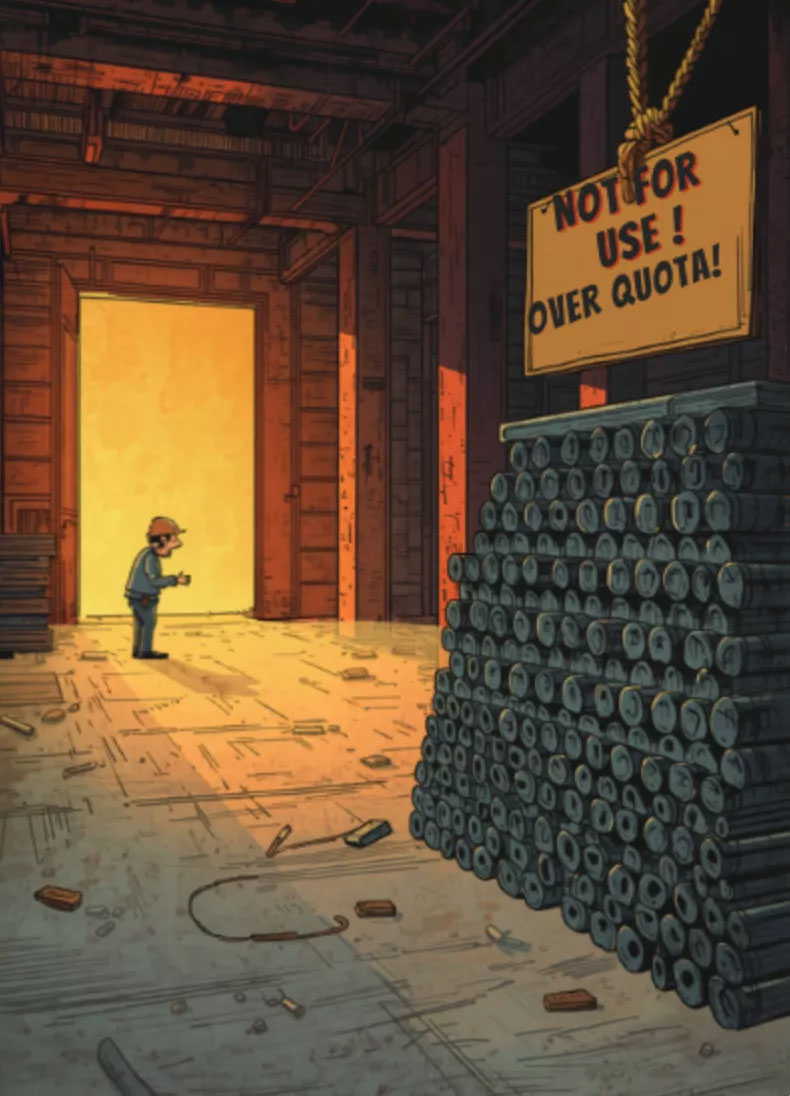
The UK Only Met Around 30% of Domestic Steel Demand in 2024 (and only 8% of engineering steel)
That means roughly 70% of UK steel demand came from imports. But for engineering-grade steels, dependency is around 90%. While construction steels dominate overall tonnage, engineering steels are among the most import-reliant material groups in the UK market. These engineering steel grades include…
For precision engineering firms, the practical dependency on imported material is often estimated at 60–80%+ depending on grade and specification.
What Actually Changes in July 2026?
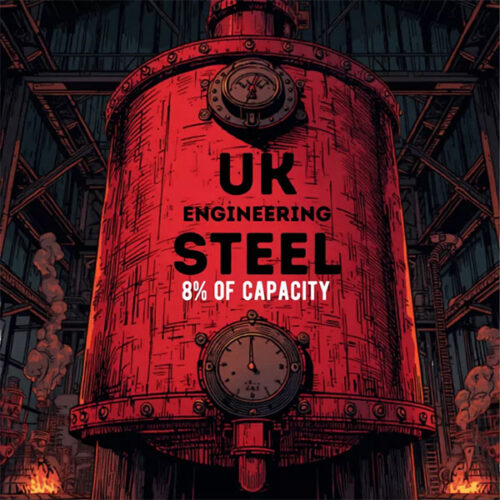
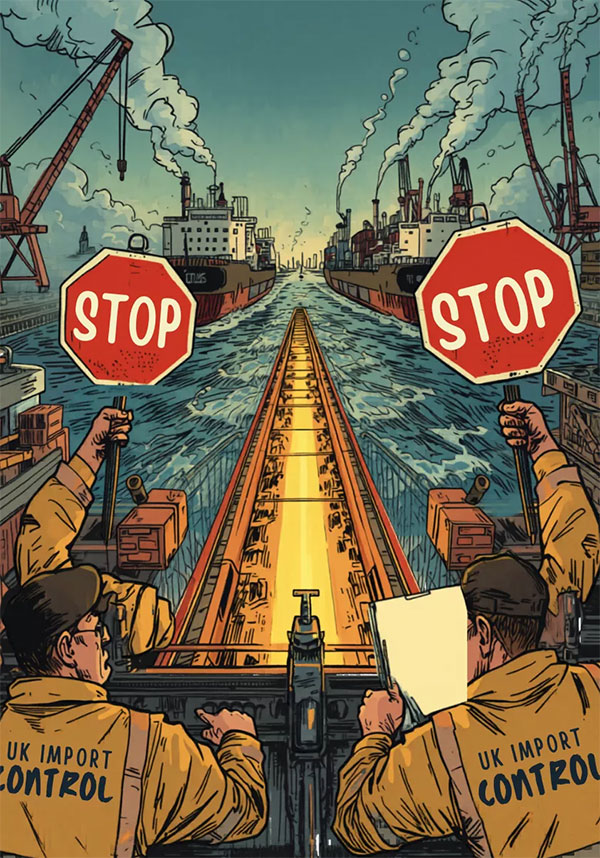
Import Quotas Are Being Cut by 60%
The current safeguard system ends in June 2026.
From 1 July 2026
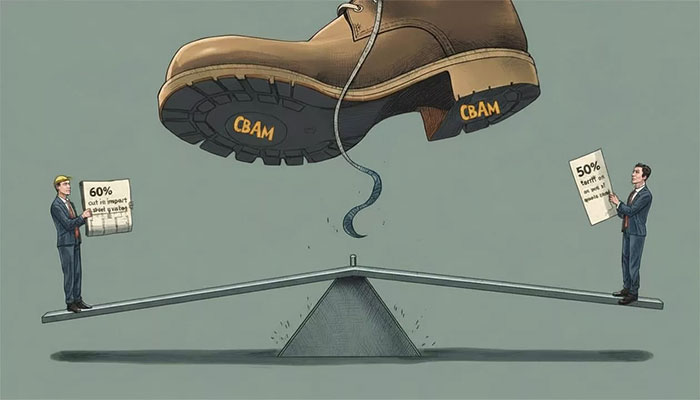
the UK introduces a much tighter replacement system whereby tariff-free steel quotas reduced by 60%, with a huge 50% tariff applied once quotas are exhausted.
This matters directly to engineering because the affected categories include:
- alloy merchant bar,
- stainless bar,
- alloy wire rod,
- cold-finished bar,
- hollow sections,
- tubes,
- and engineering-related alloy products.
Why This Matters More to Engineers Than Construction Firms
Engineering Steel Is Not Easily Replaceable
This is where the story changes from “steel politics” to real-world manufacturing risk. The issue is not simply tariffs. The issue is substitutability.
The UK government’s own reports acknowledge:
- some engineering grades are not produced domestically,
- some specifications have limited UK availability,
- many buyers require multiple supply sources,
- and smaller urgent orders rely heavily on imported stockholder material.
That directly affects:
- CNC subcontractors,
- machine shops,
- fastener manufacturers,
- precision machinists,
- gear & roller manufacturers
- forging firms,
- and repeat batch manufacturers.
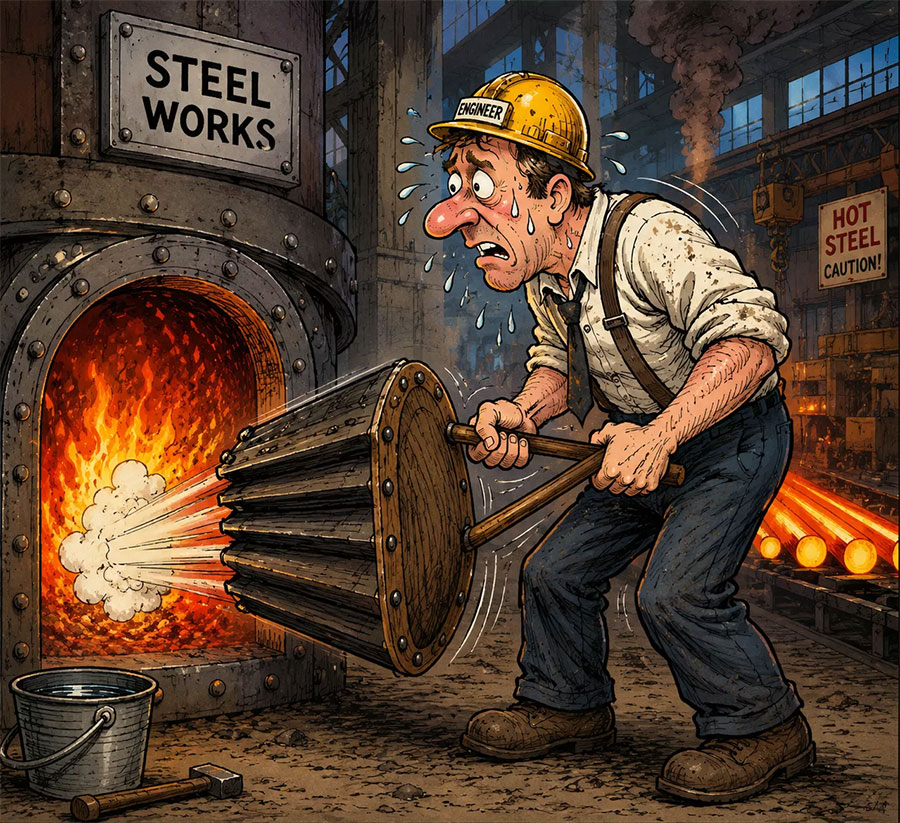
The Biggest Risk Is Supply Tightness
Prices May Rise Before Tariffs Even Apply
Many firms assume “We’ll only pay more if quotas are exceeded.” That is unlikely to be true. The market typically reacts before quotas are fully exhausted because:
- import competition tightens,
- stockholders become cautious,
- replacement lead times increase,
- and buyers start securing material earlier.
The report already references price jumps of over £100/tonne on some grades following quota announcements. For engineering steels, where margins are already tight, this becomes a serious issue quickly.
High-Grade Engineering Steels Are Especially Exposed
Alloy and Precision Steels Carry Higher Risk
General construction steels can often be substituted more easily. Engineering steels cannot. Many UK firms specifically require:
- certification,
- machinability consistency,
- fatigue performance,
- tensile guarantees,
- heat-treatment compatibility,
- or aerospace/oil-and-gas traceability.
That is why imported engineering steels represent a smaller share of overall steel tonnage, but a much larger share of total steel value. In practical terms engineering steels may account for roughly 20–30% of imported steel tonnage, but substantially more by value because they are specialist products.
CBAM Arrives in 2027 — And It Adds Another Layer
Carbon Costs Are Coming Next
The UK Carbon Border Adjustment Mechanism (CBAM) starts on 1 January 2027. This introduces carbon-based import charges linked to emissions intensity. Even if smaller engineering firms never register directly with HMRC, the costs will almost certainly flow through: importers, service centres, stockholders and distributors.
So the likely reality for engineering firms is:
- inflated prices – due to poor green efficient countries,
- reduced material availability,
- more admin costs across supply chains,
- and additional carbon-related cost pressure.
There Is a Bigger Strategic Problem Beneath All of This
The UK Still Has Capability Gaps
The UK strategy is trying to protect domestic steelmaking. But protecting production capacity is not the same thing as rebuilding specialist grades, precision rolling, short lead-time supply, or agile engineering stockholding.
Government evidence itself acknowledges a capability gaps remain. Also, some engineering products lack domestic coverage and downstream firms remain dependent on imports. That is why many engineering businesses & steel stockholders are worried the market could see:
- reduced choice,
- longer lead times,
- higher pricing,
- and more imported finished components replacing UK-made parts.
1. Review Grade Dependency
Identify EN grades, steel classifications under threat – alloy steels, products and imported specials that would be difficult to replace quickly.
2. Speak to Stockholders Early
The firms most exposed are often those relying on short lead times, urgent call-off orders or low-volume specialist supply.
3. Expect More Price Volatility
Even before tariffs apply directly, the market may tighten materially. Engineering grade steels are likely to experience sharper volatility than general construction products.
4. Watch Country of Origin Exposure
Many engineering grades come heavily from Germany, Italy, Spain, India, Turkey, and increasingly Asia. Quota exhaustion may affect some origins faster than others.
5. Finished Imports May Increase
Unintended effects could be more imported finished components, fewer UK-machined products, and more offshoring pressure on subcontract engineering. That risk is already being highlighted by downstream manufacturing groups.
6. Sign the Petition
Your voice matters and together we have the opportunity to make our voice heard. Sign the petition on steel import quota & tariff changes today…
Final Thought
The UK steel strategy is trying to rebuild resilience in domestic steelmaking. However, the clock is ticking and we cannot simply turn on capacity in a few weeks. But for precision engineering firms, the real test is whether UK supply chains can provide:
- the steel grades,
- service levels,
- certifications,
- responsiveness,
- and pricing that modern engineering businesses actually need.
Until that gap closes, engineering steels remain one of the UK’s most import-dependent industrial supply chains – and that means precision manufacturers are likely to feel these policy changes earlier and harder than most.
As always, we will continue to monitor developments closely and keep you informed. For customers requiring engineering-grade materials such as EN9 and EN19 black flat bar, we continue to support supply wherever possible despite current market pressures.
To discuss any challenges you may be facing in supply, or to discuss how High Peak Steels can support you at this critical time, call us directly on 01457 866911.
Look for our latest updates on LinkedIn, TikTok, Facebook and X.