
A Policy That Risks Backfiring
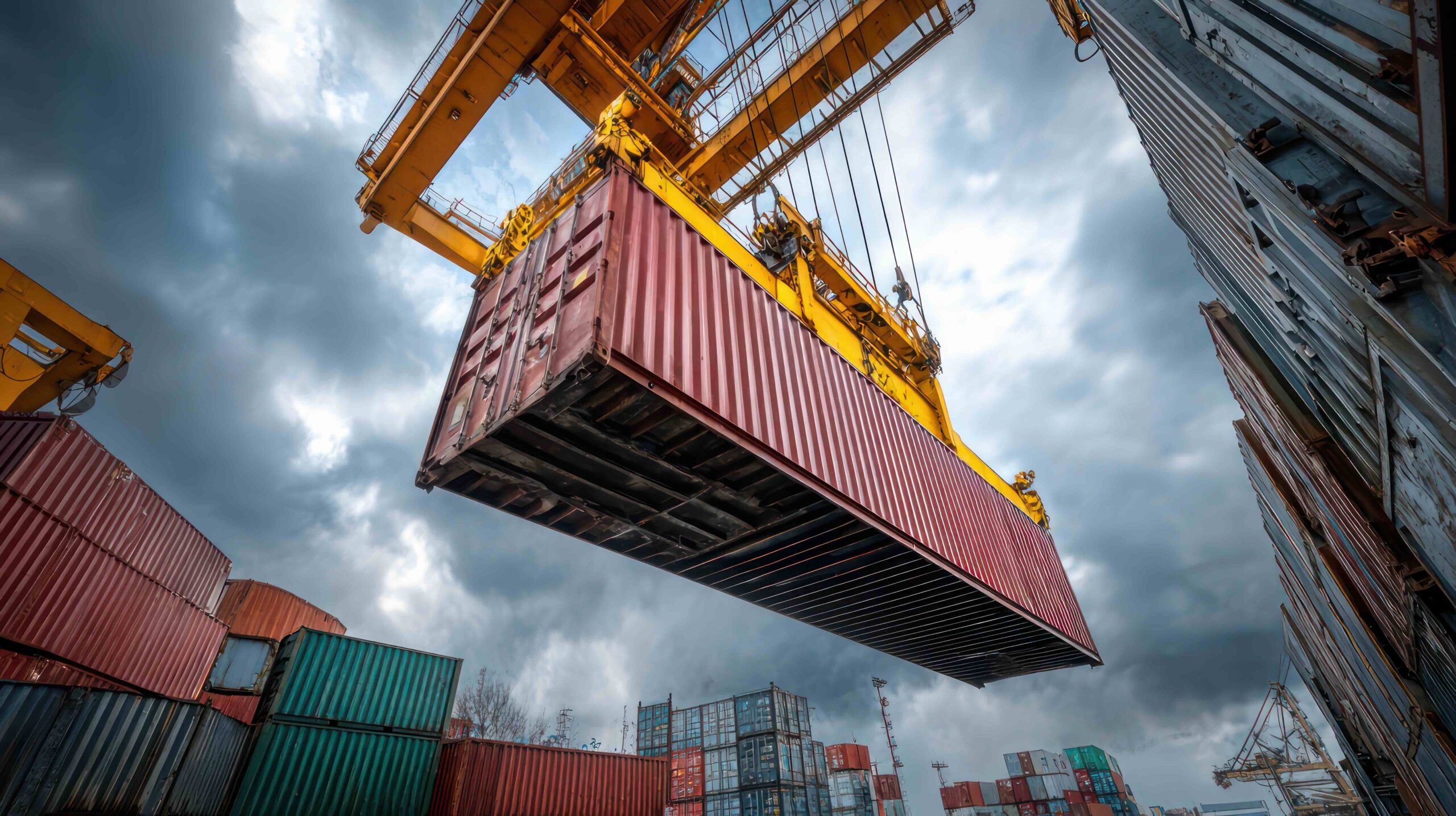
The UK government’s plan to impose 50% tariffs on imported steel above quota thresholds is being framed as a bold move to revitalise domestic steel production. On paper, it sounds logical:
- Increase UK steel output to 50% of demand
- Protect domestic producers
- Strengthen national resilience
But in reality, this policy risks doing the exact opposite – undermining UK manufacturing competitiveness at a critical time.
“a sweeping policy that misses the detail – and risks being counter to growth.”

The Core Problem: Tariffs Don’t Just Hit Imports — They Hit Industry
Tariffs are often misunderstood. They are not paid by foreign producers – they are paid by UK importers, and ultimately passed down the chain. That means:
- Higher raw material costs for manufacturers
- Reduced margins for engineering firms
- Increased prices for UK-manufactured products
- Less competitive exports
As already highlighted in reporting such as the BBC’s coverage of the policy, critics warn this will:
- Raise construction costs
- Reduce infrastructure investment
- Further strain UK industry
But the deeper issue lies beyond construction steel.
A Contradiction at the Heart of Policy
There is a deeper contradiction in the government’s approach.
- UK steel assets are already heavily supported by public funds
- Major players like British Steel and Tata have received significant tax payer backing
- Ownership structures are often international (Chinese, Indian)
Yet at the same time the government is targeting imports from the same global supply chains.
This raises a fundamental question: What exactly is the policy trying to protect – domestic production, or political optics?
Because in practice, it risks penalising UK manufacturers, while failing to meaningfully reshape global supply dynamics.
These engineering steel materials have very specific mechanical properties. For example:
- EN9 offers high tensile strength (~700–1000 N/mm²) and wear resistance.
- EN19, with chromium and molybdenum, delivers superior toughness and fatigue resistance. The UK has extremely limited domestic capability in these grades — effectively one viable engineering steel producer.
If imports are restricted or heavily taxed then manufacturers simply cannot source competitively, production costs rise sharply and orders move offshore.
The Real Cost: Manufacturing Competitiveness
UK manufacturers are already operating under intense pressure:
- High energy costs vs EU and US competitors
- Rising employment costs
- Increasing regulatory burden.
Adding a 50% steel tariff into that mix creates a perfect storm
For stockholders and engineering firms, this means:
- Reduced ability to compete internationally
- Margin compression
- Potential loss of customers to overseas suppliers.
As Mark Thornley, Managing Director of High Peak Steels, highlights:
“This is a sweeping policy that misses the detail — and risks being counter to growth.”

The Supply Chain Reality
Steel stockholders sit at the centre of UK manufacturing. They supply hundreds of downstream engineering firms, many of whom depend on consistent material availability and require competitive pricing to survive. Disrupt this layer, and the consequences ripple across:
- Precision engineering
- Automotive supply chains
- Aerospace subcontracting
- Industrial manufacturing
This is not theoretical — it is immediate and systemic.
A Smarter Approach Is Needed
Protecting UK steelmaking is important. But blunt instruments like blanket tariffs are not the answer. A more effective strategy would:
- Differentiate between construction and engineering steels
- Support energy cost competitiveness
- Encourage specialist domestic capability
- Work with stockholders and manufacturers – not against them.
Conclusion: Growth Requires Precision, Not Policy Overreach
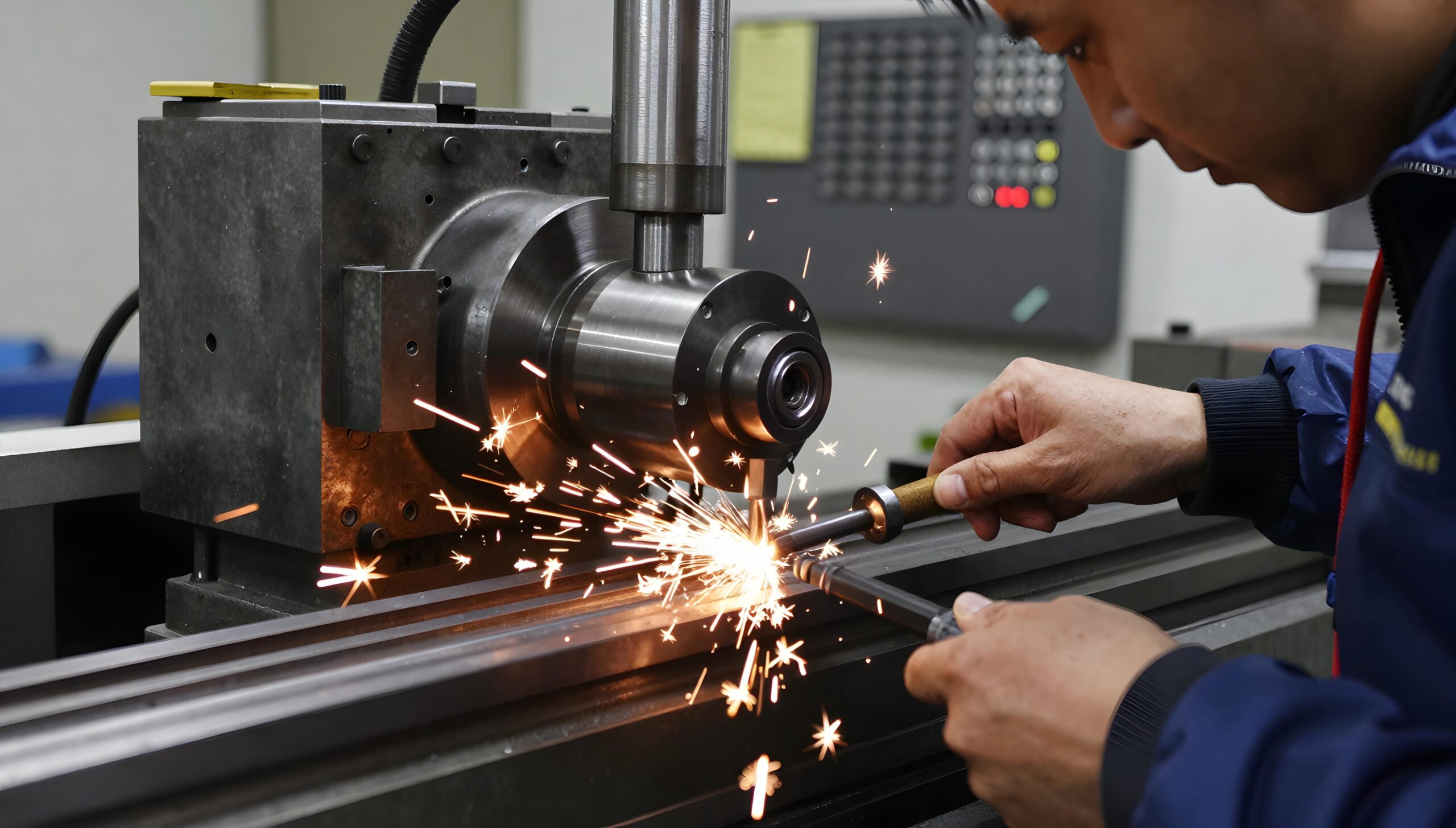
The ambition to strengthen UK steel is welcome, but, without nuance, this policy risks protecting upstream production, while damaging downstream industry. And in manufacturing, the downstream is where value is created.
If the UK is serious about industrial growth, it must avoid policies that:
- Raise input costs
- Reduce competitiveness
- Push production overseas
Because once manufacturing leaves… it rarely comes back!