So what do they mean for engineering steel buyers?
The headlines have focused on steel policy. But for engineering manufacturers, the real questions are commercial.
Revised UK safeguard measures, import quotas and the potential for additional tariffs of up to 50% have changed the way engineering businesses need to think about buying steel. For companies producing precision components, this isn’t simply a question of commodity prices. It affects how work is quoted, how material is sourced and ultimately how competitive UK manufacturers remain in an increasingly global marketplace.
The challenge, for engineering companies, is no longer simply buying the right steel.
It’s understanding when you buy it, how you price your manufactured components and whether you’ll remain competitive when market conditions change.
If quota volumes are exhausted during a project, replacement material may attract significantly higher safeguard tariffs. Businesses need to consider whether today’s quotation still protects tomorrow’s margin.
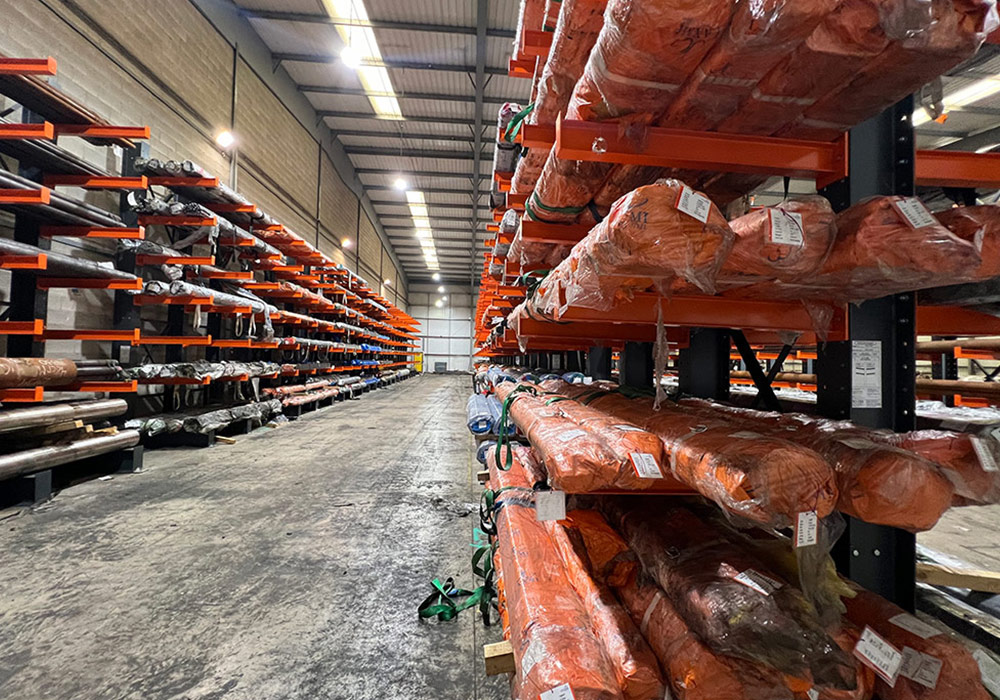
Around 70% of UK steel demand came from imports, however for engineering-grade steels, dependency is around 90%. While construction steels dominate overall tonnage, engineering steels are among the most import-reliant material groups in the UK market. These engineering steels include:
- Black bar
- Bright bar
- Engineering alloy steels (e.g. EN19, EN24, 709M40, 817M40)
- Carbon steels (e.g. EN8, EN9)
In shapes such as Round bar, Flat bar, Square and Hex, supplied by steel stockholders as Precision sawn billets.
Three questions every engineering business should now be asking
Pricing 1. How do you confidently quote work when steel prices could change before the order is placed?
For many engineering companies, quotations are prepared weeks or even months before material is required. During that period, import quotas may become exhausted, changing the cost of replacement material and creating uncertainty around future purchasing.
While no business can predict exactly when quota thresholds will be reached, manufacturers can understand where the risks lie and build greater resilience into their pricing decisions. Reviewing purchasing schedules, maintaining closer dialogue with suppliers and considering material availability earlier in the quotation process may all help reduce exposure.
The challenge is no longer simply securing the order—it’s protecting margin throughout the life of the contract.
Material Sourcing
2. What happens if a competitor secured material while it was still within quota?
Two companies may quote exactly the same component. One business may have secured stock while quota remained available; so tariff free. Another may need to purchase after quotas have been exhausted, when additional safeguard tariffs could apply.
This creates a commercial dynamic where procurement strategy becomes almost as important as manufacturing capability. Businesses with visibility of steel supply, strong supplier relationships and access to available stock may find themselves in a stronger competitive position than those reacting later to market changes.
For engineering steel users, availability is increasingly becoming a strategic consideration rather than simply a purchasing activity.
Manufacturing in a Global Market
3. Can UK manufacturers remain globally competitive if material costs increase?
Many imported finished components enter the UK without the same safeguard measures applied to imported engineering steel.
If UK manufacturers face higher material costs while overseas competitors do not, maintaining competitiveness becomes an increasingly important commercial consideration.
UK engineering companies compete not only with domestic manufacturers but also with businesses around the world supplying finished components into the UK market.
If the cost of engineering steel rises because imported material moves beyond quota limits, UK manufacturers may face increased production costs while competing against imported finished goods that are not subject to the same commercial pressures.
That makes productivity, efficiency and supply chain planning more important than ever. Manufacturers will increasingly need to consider total competitiveness rather than material cost alone, balancing quality, lead time, technical capability and customer service alongside price.
Engineering businesses have always adapted to changing market conditions. The current environment is another reminder that resilience comes not just from manufacturing excellence, but from informed procurement and strategic planning.
Looking Ahead
The revised safeguard measures represent another significant change for the UK engineering supply chain. While their long-term impact will depend on market demand, quota utilisation and global trade conditions, businesses that understand these developments early will be better placed to make informed commercial decisions.
At High Peak Steels, we’re continuing to monitor developments across the engineering steel market and what they mean specifically for manufacturers, subcontractors and OEMs.
This article is the first in our Engineering Steel Intelligence series, exploring the issues shaping the future of engineering steel supply in the UK.
What We’ll Be Watching
Over the coming months we’ll continue monitoring:
- Quota utilisation
- Import volumes
- Engineering steel availability
- Lead times
- Government policy developments
- Market pricing
- Supply chain resilience
Finally, if your business is affected by these challenges we’d love to hear from you. Our plan is to feed genuine insights on the market; that includes you the engineering business. You can send your comments to sales@highpeaksteels.com and these will be evaluated by our Directors for inclusion in Blog content in the coming months.
Delve deeper into this topic by viewing or downloading our latest Engineering Steel Insight article…
Steel safeguards have changed. What does this mean for engineering steel?
As always, we will continue to monitor developments closely and keep you informed. For customers requiring engineering-grade steels such as EN8 and EN24, we continue to support supply wherever possible despite current market pressures.
To discuss any challenges you may be facing in supply, or to discuss how High Peak Steels can support you at this critical time, call us directly on 01457 866911.
Look for our latest updates on LinkedIn, TikTok, Facebook and X.