What is the market telling us?
The changes to UK steel safeguards have generated plenty of discussion around tariffs, quotas and UK manufacturing. But for an engineering business buying steel, there is a more practical question:
Which engineering steels are actually affected – and what could that mean for the material I buy?
That is the question we’re examining in the next High Peak Steels Engineering Steel Insight.

The 30-second insight
UK steel safeguards don’t operate by familiar engineering grade names such as EN8, EN16 or EN24.
They operate through defined steel product categories and commodity codes.
That distinction matters.
An Engineering Director or buyer doesn’t normally start by asking for a customs code. They ask for a particular grade, size, form and condition to manufacture a component.
Understanding how those materials interact with the safeguard categories therefore helps turn a complex trade-policy issue into something much more relevant to engineering.

Want the deeper analysis?
Delve deeper into this topic by viewing or downloading Chapter 2 of our Engineering Steel Insight.
We’ll look at the safeguard categories in greater detail, map them against engineering steel products and High Peak Steels’ stocked grades, and examine what the emerging evidence tells us about availability, sourcing and competitiveness.
Engineering Steel Safeguards: Which Grades Are Actually Affected?
Four categories worth understanding
For the engineering steels we have been examining, four safeguard categories deserve particular attention:
- 12A – Alloy merchant bars and light sections
Relevant to a number of alloy engineering steels supplied in black/hot-rolled condition. - 12B – Non-alloy merchant bars and light sections
Relevant to carbon and non-alloy engineering steel products. - 17 – Angles, shapes and sections
A category sometimes discussed alongside engineering steel, but importantly, not a general engineering-bar category. - 27 – Other non-alloy and alloy cold-finished bars
Particularly relevant when considering engineering steels supplied in bright or cold-finished condition.
And this reveals an important point…
The grade alone doesn’t necessarily tell you the safeguard category.
The form and processing condition of the steel can matter too. An engineering grade supplied as black/hot-rolled bar may therefore sit differently within the safeguard system from material of the same or similar grade supplied bright/cold-finished.
Why does that matter to an engineering company?
Because safeguards ultimately influence the conditions under which steel can enter the UK market. When quota remains available, qualifying imports can enter within the relevant arrangements. When the applicable quota is exhausted, additional tariff costs can become a very real commercial consideration.
For an engineer, the issue isn’t simply:
“Is my steel imported?”
The better questions are:
Which category does it fall into?
How much quota remains available?
Could its supply position change during the period in which I’m quoting or manufacturing a job?
Those questions bring us straight back to the three commercial issues we raised in our first Engineering Steel Insight:
Pricing. Material sourcing. Competitiveness.
A practical example
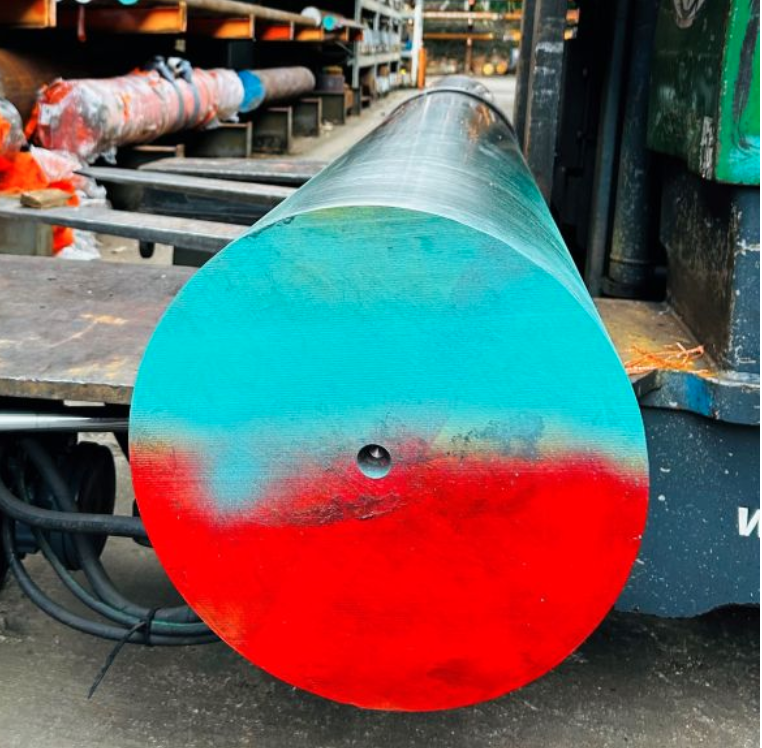
Take familiar engineering steels such as EN19 and EN24. These are widely used because their properties suit demanding engineering applications.
The important question from a safeguard perspective isn’t simply whether EN19 or EN24 appears on a list.
We need to consider the actual product being supplied – including its composition, dimensions, form and processing condition – and how that product maps to the relevant commodity code and safeguard category. The same principle applies across the wider engineering steel range. That is why we’ve started mapping the safeguard system against the steels that precision, repetition and machine engineers actually buy.
Engineering Steel at a Glance
For procurement teams, Engineering Directors and owner-managers, our view is simple:
Don’t try to become a customs expert.
But do understand enough about the relationship between grade → product form → safeguard category → quota → potential tariff exposure to ask the right questions of your steel supplier.
For a 10-person precision engineering company, that could affect the confidence with which a job is quoted. For a major engineering organisation, the same issue can influence purchasing strategy, material planning and supply-chain risk.
The scale changes. The underlying commercial question doesn’t.
What High Peak Steels is monitoring
As the new safeguard arrangements develop, we’ll continue monitoring:
- Quota utilisation
- Engineering steel import volumes
- Material availability
- Lead times
- Government policy
- Market pricing
- Supply-chain resilience
We’ll also begin comparing the policy position with what we’re actually seeing in the engineering steel market. Because ultimately, policy only becomes meaningful to an engineer when it affects the engineering steel material you require to make the next order of components.
This table shows one of the measures we’ll be monitoring in our Steel Insights. You can read more about this in Chapter 2.

Finally, if your business is affected by these challenges we’d love to hear from you. Our plan is to feed genuine insights on the market; that includes you the engineering business. You can send your comments to sales@highpeaksteels.com and these will be evaluated by our Directors for inclusion in Blog content in the coming months.
Want the deeper analysis?
Delve deeper into this topic by viewing or downloading Chapter 2 of our Engineering Steel Insight.
We’ll look at the safeguard categories in greater detail, map them against engineering steel products and High Peak Steels’ stocked grades, and examine what the emerging evidence tells us about availability, sourcing and competitiveness.
Engineering Steel Safeguards: Which Grades Are Actually Affected?
As always, we will continue to monitor developments closely and keep you informed. For customers requiring engineering-grade steels such as EN8 and EN24, we continue to support supply wherever possible despite current market pressures.
To discuss any challenges you may be facing in supply, or to discuss how High Peak Steels can support you at this critical time, call us directly on 01457 866911.
Look for our latest updates on LinkedIn, TikTok, Facebook and X.